
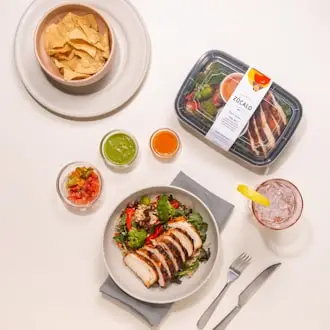
Losing weight does not mean eating tiny portions, skipping meals, or giving up the foods you enjoy. The right weight loss meals can help you manage your overall calorie intake while providing protein, fiber, vitamins, minerals, and healthy fats that support a balanced diet.
A successful weight loss approach is not about finding one perfect food. It is about building balanced meals that are nutritious, satisfying, convenient, and realistic enough to follow consistently.
For busy people, prepared and portion-controlled meals can also make healthy eating easier. Instead of spending hours shopping, cooking, measuring ingredients, and planning every meal, a structured meal plan can simplify the process and make it easier to stay consistent.
What Are Weight Loss Meals?
Weight loss meals are balanced meals designed to provide essential nutrients while helping you manage your overall calorie intake. They commonly include lean protein, vegetables, fiber-rich carbohydrates, and moderate amounts of healthy fats.
A common mistake is assuming that the best meal for weight loss is simply the meal with the fewest calories. Extremely small meals may leave you hungry and make your eating plan difficult to maintain.
Instead, a better approach is to focus on meals that combine appropriate portions with high-quality ingredients and satisfying nutrients.
What Makes a Meal Good for Weight Loss?
A balanced weight loss meal can include:
- Lean or plant-based protein
- Fiber-rich vegetables
- Whole grains or other nutrient-rich carbohydrates
- Moderate amounts of healthy fats
- Fresh fruit when appropriate
- Water or another low-calorie beverage
The combination of protein and fiber can help make meals more satisfying while supporting a nutrient-dense eating pattern.
Why Protein and Fiber Matter
Protein is found in foods such as chicken, fish, eggs, Greek yogurt, beans, lentils, tofu, and lean meat. Including a source of protein in your meals can make them more satisfying and help support muscle maintenance as part of an active lifestyle.
Fiber comes from foods such as vegetables, fruits, legumes, whole grains, nuts, and seeds. Many high-fiber foods also add volume and texture to meals.
Combining protein and fiber is therefore a practical strategy for building filling and balanced meals.
The Role of Portion Control and Calories
Weight loss generally involves maintaining a calorie deficit over time. However, that does not mean every meal needs to be extremely low in calories.
Portion control allows you to enjoy a variety of foods while keeping your overall intake aligned with your goals.
Individual calorie requirements vary based on factors such as age, body size, activity level, and other personal factors. Therefore, there is no single calorie target that is appropriate for everyone.
Start With Convenient Weight Loss Meals
Ready to make healthy eating easier? Explore our weight loss meal plans and discover convenient, balanced meals that fit your routine.
Choose Your Meal Plan
📱 Contact Us:
Phone: 054 665 7334 | WhatsApp: +966 54 665 7334
How to Build a Balanced Weight Loss Meal
Creating healthy meals does not have to involve complicated recipes. You can use a simple structure when planning breakfast, lunch, dinner, and snacks.
Start With a Lean Protein Source
Protein can be the foundation of a satisfying meal.
Good choices include:
- Chicken breast
- Turkey
- Salmon
- Tuna
- Eggs
- Greek yogurt
- Cottage cheese
- Lean beef
- Lentils
- Beans
- Tofu
- Tempeh
Choose protein sources that fit your dietary preferences and eating habits.
Add Fiber-Rich Vegetables
Vegetables can add volume, flavor, fiber, vitamins, and minerals without making meals unnecessarily heavy.
Try:
- Broccoli
- Spinach
- Cucumber
- Tomatoes
- Bell peppers
- Carrots
- Zucchini
- Green beans
- Cauliflower
- Mixed leafy greens
Using a variety of vegetables can also make meals more colorful and enjoyable.
Choose Smart Carbohydrates
Carbohydrates do not automatically prevent weight loss. They can be part of a balanced diet when portions and food quality are appropriate.
Useful options include:
- Oats
- Brown rice
- Quinoa
- Potatoes
- Sweet potatoes
- Whole-grain bread
- Whole-grain pasta
- Beans
- Lentils
- Fruit
Choosing fiber-rich and minimally processed carbohydrate sources can help create balanced meals.
Include Healthy Fats in Moderation
Healthy fats can contribute flavor and nutritional value, but they are also relatively calorie-dense.
Examples include:
- Avocado
- Olive oil
- Nuts
- Seeds
- Natural peanut butter
- Tahini
The goal is not to eliminate fat but to use appropriate portions.
Control Portions Without Feeling Hungry
If you regularly feel extremely hungry after meals, your meals may be too small or lacking protein, fiber, or volume.
Rather than simply cutting portions further, consider adding vegetables, increasing the protein component, or choosing more filling carbohydrate sources.
Best Weight Loss Meals for Breakfast
Breakfast can be simple while still providing protein and fiber.
Greek Yogurt With Berries and Chia Seeds
Greek yogurt provides protein, while berries provide natural sweetness and fiber. Chia seeds can add fiber and healthy fats.
For additional texture, you can add a small portion of nuts.
Vegetable Omelet With Whole-Grain Toast
Combine eggs with spinach, mushrooms, tomatoes, onions, or bell peppers.
Serve the omelet with a moderate portion of whole-grain toast for a balanced breakfast.
Protein Overnight Oats
Combine oats with Greek yogurt or milk, chia seeds, berries, and a protein source.
Preparing overnight oats the night before can make mornings much easier, especially if you have a busy schedule.
Protein Smoothie With Fruit and Fiber
A balanced smoothie can include:
- Greek yogurt or protein powder
- Berries
- Banana
- Spinach
- Chia or flax seeds
- Milk or an unsweetened alternative
Be mindful of calorie-dense additions such as large amounts of nut butter, sweeteners, or syrups.
Healthy Weight Loss Lunch Ideas
Lunch should provide enough nutrition and satisfaction to help you stay energized throughout the afternoon.
Grilled Chicken and Quinoa Bowl
Combine grilled chicken with quinoa, leafy greens, cucumber, tomatoes, and a light dressing.
This provides a practical combination of protein, vegetables, and carbohydrates.
Salmon and Vegetable Salad
Add baked or grilled salmon to mixed greens, cucumber, tomatoes, peppers, and other vegetables.
A simple lemon and olive oil dressing can provide plenty of flavor without relying on heavy sauces.
Turkey and Whole-Grain Wrap
Use sliced turkey or grilled turkey with lettuce, tomato, cucumber, and a whole-grain wrap.
Choose sauces carefully because creamy dressings can add substantial calories.
Lentil and Vegetable Bowl
Lentils provide plant-based protein and fiber.
Combine them with roasted vegetables, leafy greens, and a moderate serving of whole grains for a satisfying vegetarian lunch.
Easy Weight Loss Dinner Meals
Dinner does not need to be complicated to be nutritious.
Grilled Chicken With Roasted Vegetables
Pair grilled chicken with roasted broccoli, zucchini, peppers, or cauliflower.
You can add a moderate serving of potatoes, brown rice, or another carbohydrate based on your nutritional needs.
Baked Salmon With Broccoli and Brown Rice
Salmon provides protein and healthy fats, while broccoli contributes fiber and important nutrients.
Serve it with a moderate portion of brown rice for a balanced dinner.
Lean Beef and Vegetable Stir-Fry
Use lean beef with vegetables such as broccoli, mushrooms, peppers, and onions.
Serve the stir-fry with a controlled portion of rice or another whole-grain carbohydrate.
Turkey and Bean Chili
Turkey, beans, tomatoes, onions, and vegetables can create a protein- and fiber-rich dinner.
It is also an excellent option for batch cooking because you can prepare several servings at once.
High-Protein Weight Loss Meals
Protein deserves special attention when planning meals for weight management.
Including protein throughout the day can make meals more satisfying and may be particularly helpful for people who want to support lean muscle while reducing body fat.
Why Protein Is Important During Weight Loss
Weight management involves more than simply watching the number on the scale.
Maintaining adequate nutrition and supporting lean mass are important considerations, particularly when weight loss is combined with physical activity.
Protein-rich foods can help you build satisfying meals while supporting normal muscle maintenance.
Best High-Protein Foods
Useful protein sources include:
- Chicken
- Turkey
- Fish
- Eggs
- Greek yogurt
- Cottage cheese
- Lean beef
- Lentils
- Beans
- Tofu
- Tempeh
The best choices are foods you enjoy and can consistently include in your eating routine.
How to Add More Protein to Your Meals
You can increase protein without completely changing your meals.
Try:
- Adding Greek yogurt to breakfast
- Including eggs with vegetables
- Adding grilled chicken to salads
- Using beans or lentils in bowls
- Choosing fish for dinner
- Adding tofu to stir-fries
- Using cottage cheese as a snack
Take the Stress Out of Meal Prep
No time to shop, cook, and portion every meal? Let us simplify your routine with ready-to-eat meals designed to make healthy eating more convenient.
Explore Our Meal Options
Low-Calorie Meals That Keep You Full
A common mistake is assuming that the lowest-calorie meal is automatically the best option.
A more sustainable approach is to choose foods that provide nutritional value and help you feel satisfied.
High-Volume Vegetables
Leafy greens, cucumber, tomatoes, zucchini, broccoli, cauliflower, and other vegetables can add substantial volume to meals.
Protein-Rich Foods
Adding a protein source to your main meals can make them more satisfying than meals based mostly on refined carbohydrates.
Fiber-Rich Foods
Beans, lentils, oats, vegetables, berries, apples, and whole grains are useful sources of dietary fiber.
Foods That Add Flavor Without Excess Calories
Healthy eating does not have to mean bland food.
Use herbs, spices, lemon juice, vinegar, garlic, chili, mustard, and fresh herbs to add flavor without relying heavily on calorie-dense sauces.
7-Day Weight Loss Meal Plan
The following meal plan is an example of how you can organize balanced meals throughout the week. It is not a personalized medical or nutrition prescription, and portion sizes should be adjusted according to individual needs.
| Day | Breakfast | Lunch | Dinner | Snack |
| Monday | Protein oats with berries | Chicken quinoa bowl | Salmon with vegetables | Greek yogurt |
| Tuesday | Vegetable omelet with whole-grain toast | Turkey wrap | Chicken vegetable stir-fry | Apple with peanut butter |
| Wednesday | Greek yogurt with berries | Lentil salad | Lean beef with vegetables | Cottage cheese |
| Thursday | Protein smoothie | Salmon salad | Turkey and bean chili | Berries and yogurt |
| Friday | Overnight oats | Chicken quinoa bowl | Baked fish with vegetables | Hummus and vegetables |
| Saturday | Eggs with whole-grain toast | Tuna salad | Chicken with sweet potato | Fruit and nuts |
| Sunday | Greek yogurt and fruit | Turkey protein bowl | Salmon with vegetables | Protein-rich snack |
The purpose of a weekly meal plan is to reduce decision fatigue and make healthy eating more consistent.
Weight Loss Meal Prep Tips
Meal preparation can make healthy eating much easier, particularly when you have a busy schedule.
Plan Your Meals Before Shopping
Decide what you will eat before going grocery shopping.
Planning ahead can help you purchase the ingredients you actually need and reduce last-minute food decisions.
Batch Cook Protein and Vegetables
Prepare several servings of chicken, turkey, fish, lentils, or beans at once.
You can also roast a large tray of vegetables and divide them into individual portions.
Prepare Portion-Controlled Meals
Pre-portioning meals can make portion management easier because you already know how much you plan to eat.
Keep Healthy Snacks Ready
Simple snack options include:
- Greek yogurt
- Fresh fruit
- Boiled eggs
- Hummus and vegetables
- Cottage cheese
- A small portion of nuts
Make Your Meals Convenient for Busy Days
The best meal plan is one you can actually follow.
If your schedule makes cooking every meal unrealistic, prepared meals or a meal delivery service may provide a convenient alternative.
Weight Loss Meals vs. Meal Delivery Services
Cooking at home provides control over ingredients, portions, cooking methods, and costs.
However, it also requires grocery shopping, recipe planning, cooking, portioning, cleaning, and nutritional tracking.
Prepared weight loss meals offer a different approach.
For people with demanding schedules, a meal delivery service can simplify the process by providing ready-to-eat meals that are already portioned and prepared.
Cooking Weight Loss Meals at Home
Home cooking can be a good choice if you:
- Enjoy cooking
- Have enough time
- Want maximum control over ingredients
- Prefer preparing meals in batches
- Want to manage your grocery budget
Choosing Prepared Weight Loss Meals
Prepared meals can be useful if you:
- Have a busy work schedule
- Do not enjoy meal preparation
- Struggle with portion control
- Frequently rely on takeout
- Want convenient calorie-controlled meals
- Prefer having meals ready when you need them
Benefits of Calorie-Controlled Meal Delivery
A professionally prepared meal plan can simplify several parts of a weight loss routine.
Instead of calculating every ingredient, shopping for multiple foods, preparing recipes, and portioning meals, you can select meals that fit your preferred plan.
The main advantage is convenience. A structured meal service can reduce the number of daily decisions involved in maintaining a consistent eating routine.
Who Can Benefit From a Weight Loss Meal Plan?
A structured meal plan can be particularly useful for people who value convenience and consistency.
Busy professionals, parents, fitness enthusiasts, and people who frequently rely on takeout may find prepared meals easier to maintain than a complicated cooking routine.
The most important factor is choosing an approach that fits your lifestyle and can be maintained over time.
How to Choose the Best Weight Loss Meal Plan
Not every weight loss meal plan is the same.
Before choosing one, consider the following factors.
Check Calories and Portion Sizes
Look for clear nutritional information and realistic portions.
Avoid plans that make extreme promises or encourage unnecessarily restrictive eating.
Look for Adequate Protein
Protein should be a regular part of your meals.
Check whether the meal plan includes foods such as chicken, fish, eggs, lean meat, dairy, legumes, or plant-based protein.
Prioritize Fiber and Whole Foods
Vegetables, fruits, legumes, and whole grains can improve the nutritional quality of meals while providing useful fiber.
Check Ingredient Quality
Look for recognizable ingredients and balanced meals rather than relying heavily on highly processed foods.
Consider Your Food Preferences
A meal plan will be much easier to follow if you actually enjoy the food.
Consider your preferred cuisines, allergies, dietary restrictions, and foods you do not like.
Choose a Plan You Can Maintain
Sustainable weight management is generally more practical than a short-term restrictive diet.
A good meal plan should fit your schedule, preferences, budget, and nutritional needs.
Common Mistakes When Choosing Weight Loss Meals
Eating Too Little
Extreme calorie restriction can make a diet difficult to maintain and may leave you constantly hungry.
Ignoring Protein
Meals based mostly on refined carbohydrates may not be as satisfying as balanced meals containing protein and fiber.
Cutting Out All Carbohydrates
Carbohydrates can be part of a balanced weight loss diet.
The focus should be on food quality, portions, and your overall eating pattern rather than automatically eliminating an entire food group.
Depending on Processed “Diet Foods”
A product labeled “diet” or “low calorie” is not automatically the best choice.
Consider the complete nutritional profile and ingredient list.
Choosing Meals That Are Too Restrictive
If a plan eliminates too many foods, it may become difficult to follow socially and long term.
Ignoring Portion Sizes
Even nutritious foods can contribute substantial calories when consumed in very large portions.
Focusing Only on Calories
Calories are relevant to weight loss, but nutritional quality matters too.
A strong meal plan should provide protein, fiber, vitamins, minerals, and other nutrients rather than focusing only on calorie numbers.
Why Choose Tech Meals?
Choosing the right meal plan can make healthy eating easier, more convenient, and more consistent. Tech Meals provides balanced, ready-to-eat meals designed to fit busy lifestyles and support different health and fitness goals. With carefully selected ingredients, controlled portions, and convenient meal options, Tech Meals helps you spend less time planning, shopping, and cooking while making it easier to stay on track with your nutrition. Whether your goal is weight loss, healthy eating, or maintaining a balanced lifestyle, Tech Meals offers a practical solution that fits into your daily routine.
Make Weight Loss Easier With Ready-to-Eat Meals
Eating for weight loss does not have to mean spending hours every week planning recipes, shopping for ingredients, cooking, weighing portions, and cleaning the kitchen.
If your schedule makes traditional meal preparation difficult, a weight loss meal delivery service can simplify the process by providing convenient, portion-controlled meals designed around your preferences and goals.
Instead of wondering what to eat after a long day, you can have a balanced meal ready when you need it.
Make Your Next Meal a Better Choice
Build a more consistent eating routine with nutritious, portion-controlled meals delivered to your door. Choose a plan that fits your lifestyle and take the next step toward your weight management goals.
Get Started Today
📱 Contact Us:
Phone: 054 665 7334 | WhatsApp: +966 54 665 7334
Final Thoughts on Weight Loss Meals
Choosing the right weight loss meals is about creating a sustainable eating routine rather than following an extreme diet.
Focus on balanced portions, lean protein, vegetables, fiber-rich foods, quality carbohydrates, and moderate healthy fats. Make your meals enjoyable and convenient enough to fit your everyday schedule.
If preparing meals from scratch every day is difficult, a structured meal delivery service can make the process simpler by reducing shopping, cooking, and portioning.
Ultimately, the best weight loss meal plan is the one that provides balanced nutrition and is realistic enough for you to follow consistently.
Frequently Asked Questions
What are the best meals for weight loss?
The best weight loss meals are balanced, satisfying, and appropriate for your individual nutritional needs. Meals built around lean protein, vegetables, fiber-rich carbohydrates, and moderate healthy fats can be practical choices.
What should I eat for breakfast to lose weight?
Protein-rich breakfasts such as Greek yogurt with berries, vegetable omelets, protein oats, or balanced smoothies can be useful options. Your overall daily eating pattern matters more than one specific meal.
Are high-protein meals good for weight loss?
High-protein meals can be useful because protein can contribute to fullness and support normal muscle maintenance. However, overall calorie intake, food quality, activity, and consistency also matter.
How many calories should a weight loss meal have?
There is no universal calorie amount for every weight loss meal. Individual calorie requirements vary according to factors such as body size, age, activity level, and personal goals.
Can I eat carbs and still lose weight?
Yes. Carbohydrates can be part of a balanced weight loss diet. Fiber-rich sources such as oats, potatoes, whole grains, legumes, and fruit can provide useful nutrients.
Are meal delivery services good for weight loss?
They can be useful when meals provide appropriate portions, balanced nutrition, and options that fit your dietary needs. Their biggest practical advantage is often convenience and consistency.
How can I meal prep for weight loss?
Start by selecting several protein sources, vegetables, carbohydrates, and healthy fats. Prepare them in batches, divide meals into portions, and store them properly for the week.
What foods keep you full while losing weight?
Protein-rich and fiber-rich foods can be useful for creating satisfying meals. Examples include vegetables, beans, lentils, Greek yogurt, eggs, fish, chicken, oats, fruit, and whole grains.
Are high-protein meals enough to build muscle?
No. Protein is important, but muscle growth also depends on resistance training, adequate energy intake, carbohydrates, healthy fats, micronutrients, sleep, and recovery.